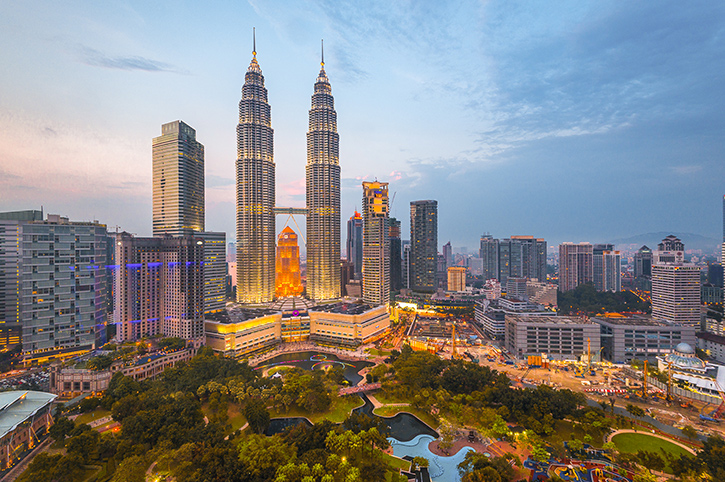
As businesses step into 2026, technology continues to evolve at an unprecedented pace. What was once considered “advanced” has quickly become standard, and companies that fail to adapt risk falling behind. From artificial intelligence to cybersecurity and cloud transformation, the coming year will see technology play an even bigger role in how Malaysian businesses operate, compete, and grow.
Here are the key tech trends expected to shape Malaysian businesses in 2026.
1. AI Moves From Experimentation to Everyday Operations
In 2026, artificial intelligence is no longer just a pilot project. Businesses are moving beyond experimentation and embedding AI into daily operations.
AI is increasingly used for:
- Customer support and chat assistants
- Data analysis and forecasting
- Content generation and automation
- Workflow optimisation
The focus is shifting from “Can we use AI?” to “How do we use AI responsibly and effectively?”
2. Cybersecurity Becomes a Business Priority, Not Just an IT Issue
Cyber threats are growing more sophisticated, and technology alone is no longer enough. In 2026, cybersecurity will be seen as a core business risk, not just a technical concern.
Key developments include:
- Wider adoption of Multi-Factor Authentication (MFA)
- Zero-Trust security models
- AI-assisted threat detection
- Stronger emphasis on staff cybersecurity awareness
Businesses that neglect cybersecurity risk financial loss, operational disruption, and reputational damage.
3. Hybrid and Multi-Cloud Environments Become the Norm
Rather than relying on a single cloud provider, many businesses are adopting hybrid and multi-cloud strategies to improve flexibility and resilience.
In 2026, companies are focusing on:
- Keeping sensitive data on-premise
- Using cloud services for scalability
- Avoiding vendor lock-in
- Improving disaster recovery planning
Cloud decisions are becoming more strategic, not just cost-driven.
4. Automation Goes Beyond Simple Tasks
Automation in 2026 is no longer limited to basic repetitive processes. Businesses are combining automation with AI to create intelligent workflows.
Common use cases include:
- Automated approvals and reporting
- Finance and HR process automation
- IT system monitoring
- Supply chain and inventory optimisation
The goal is to free employees from routine work so they can focus on higher-value tasks.
5. Data Privacy and Governance Take Centre Stage
With increasing data usage comes increased responsibility. In 2026, businesses are paying closer attention to how data is collected, stored, and accessed.
Key priorities include:
- Compliance with data protection regulations
- Stronger access controls
- Audit trails and monitoring
- Clear data ownership and accountability
Trust is becoming a competitive advantage in the digital economy.
6. Real-Time Reporting and Analytics Drive Faster Decisions
Businesses are moving away from static monthly reports toward real-time dashboards and analytics.
In 2026, decision-makers expect:
- Live financial and operational data
- Faster insights into performance
- Predictive analytics instead of reactive reporting
Access to timely information allows businesses to respond quickly to market changes.
7. Digital Identity and Secure Access Gain Importance
Passwords alone are no longer sufficient. More businesses are implementing secure digital identity solutions to protect systems and users.
This includes:
- MFA and biometric authentication
- Role-based access control
- Secure remote access
As remote and hybrid work continues, secure access management becomes essential.
8. Remote and Hybrid Work Technology Matures
Rather than debating whether remote work is here to stay, businesses in 2026 are focused on making it work better.
Technology trends include:
- Improved collaboration platforms
- Digital workflow tools
- Performance tracking without micromanagement
- Secure remote access solutions
The emphasis is on productivity, security, and employee experience.
9. Sustainability and Green IT Gain Momentum
Sustainability is becoming part of IT strategy. Businesses are increasingly conscious of energy usage and environmental impact.
In 2026, tech decisions are influenced by:
- Energy-efficient infrastructure
- Cloud optimisation
- Reduced hardware waste
- ESG reporting requirements
Green IT is no longer optional — it’s becoming a responsibility.
10. Practical Use of Emerging Technologies
Rather than chasing hype, businesses are becoming more selective about emerging technologies.
In 2026, adoption focuses on practical value, including:
- Blockchain for supply chain transparency
- IoT for monitoring and optimisation
- AI-driven security and analytics
Technology investments are judged by results, not buzzwords.
📌 Final Thoughts: Technology as a Growth Enabler in 2026
Technology in 2026 is not about having the latest tools — it’s about using the right ones strategically. Malaysian businesses that prioritise security, efficiency, data governance, and adaptability will be better positioned to navigate uncertainty and seize new opportunities.
As the digital landscape continues to evolve, technology will remain one of the most powerful drivers of business resilience and growth.