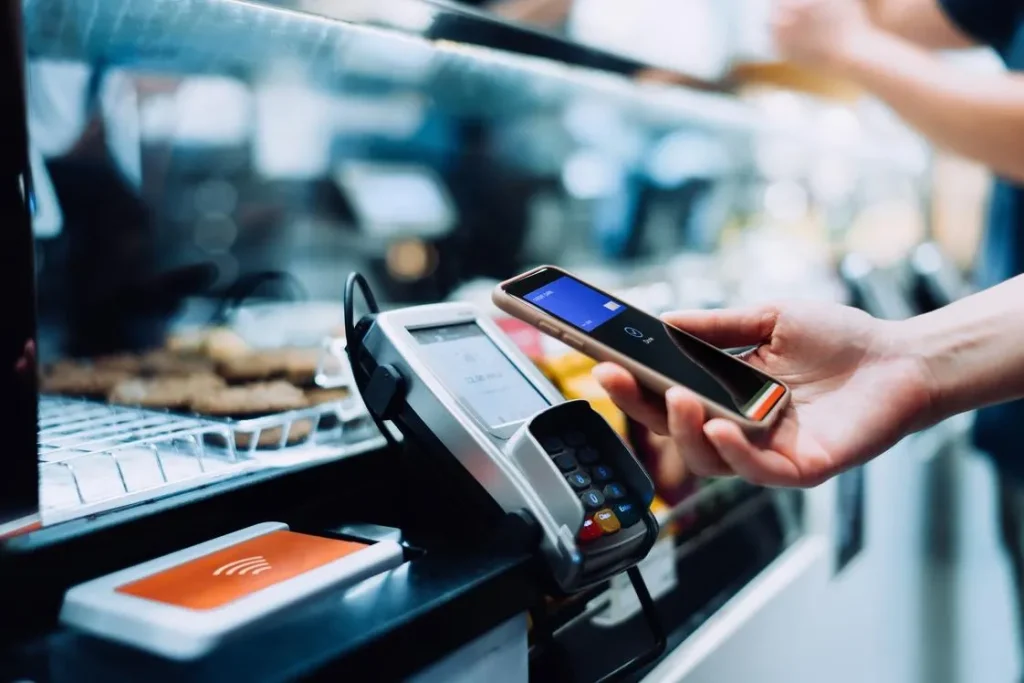
Malaysia is rapidly moving toward a cashless economy, with digital payments and e-wallet usage becoming increasingly common across businesses of all sizes. From retail stores to food outlets and online platforms, consumers are embracing faster, more convenient ways to pay.
At the same time, the introduction of e-invoicing is further accelerating digital transformation, pushing businesses to modernise not just how they accept payments, but also how they record and report transactions.
📱 Rise of E-Wallets in Everyday Transactions
E-wallet platforms such as Touch ‘n Go eWallet, GrabPay, and Boost have become part of daily life for many Malaysians.
Consumers now use e-wallets for:
- Retail and F&B purchases
- Online shopping
- Bill payments and utilities
- Transportation and toll payments
The convenience of QR payments and instant transactions has significantly reduced reliance on physical cash, especially in urban areas.
📊 Businesses Adapting to Digital Payment and E-Invoicing Trends
As consumer behaviour evolves, businesses are not only adopting cashless payments but also preparing for e-invoicing requirements set by authorities.
Key benefits include:
- Faster transactions and improved checkout experience
- Automated invoice generation linked to digital payments
- Reduced manual data entry and errors
- Better financial tracking and audit readiness
By integrating payment systems with e-invoicing, businesses can streamline operations — from receiving payments to issuing compliant digital invoices in real time.
🧾 E-Invoicing: The Next Step in Digital Transformation
Malaysia’s move toward e-invoicing, led by Inland Revenue Board of Malaysia, is designed to improve tax compliance, transparency, and efficiency in financial reporting.
E-invoicing enables:
- Real-time validation of transactions
- Standardised digital records for audits
- Seamless integration with accounting systems
- Reduced reliance on paper-based processes
For businesses, this means aligning their payment systems with e-invoicing platforms to ensure compliance while improving operational efficiency.
🌏 Government Push Toward a Fully Digital Economy
The transition toward cashless payments and e-invoicing is strongly supported by Bank Negara Malaysia, alongside national digitalisation initiatives.
Efforts include:
- Promoting DuitNow QR for unified payments
- Encouraging adoption of digital financial tools
- Supporting SMEs in digital transformation
These initiatives are helping Malaysia build a more transparent, efficient, and digitally connected business ecosystem.
🔐 Security and Compliance Remain Key
With increased digital transactions, security and compliance have become more critical than ever.
Businesses must ensure:
- Secure payment gateways
- Proper data protection practices
- Compliance with tax and e-invoicing regulations
E-wallet providers and financial institutions continue to enhance security features, including encryption and multi-factor authentication, to maintain user trust.
📌 The Future: Fully Digital Transactions and Reporting
The combination of cashless payments and e-invoicing marks a major shift in how businesses operate in Malaysia. Transactions are no longer just about payments — they are part of a fully digital financial ecosystem.
As adoption continues to grow, businesses that embrace both trends will benefit from:
- Greater efficiency
- Improved compliance
- Better financial visibility
In the years ahead, going digital will not just be an advantage — it will be a necessity for staying competitive in Malaysia’s evolving economy.