
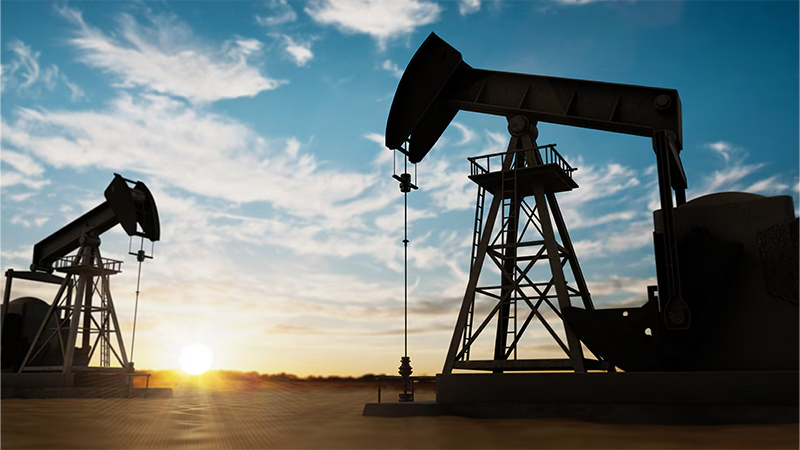
Global oil prices have surged sharply, climbing above US$100 per barrel for the first time in years, as escalating geopolitical tensions in the Middle East disrupt supply and rattle global energy markets.
The rally in crude prices marks a significant shift after a relatively stable period, with Brent crude now trading around the US$100–US$105 range, driven by growing concerns over supply shortages and transportation risks.
🌍 Geopolitical Conflict Driving Price Spike
The primary driver behind the surge is the intensifying conflict involving major oil-producing regions, particularly around the Strait of Hormuz — a critical global chokepoint responsible for roughly 20% of the world’s oil shipments.
Disruptions in this region, including attacks on oil infrastructure and shipping routes, have significantly reduced supply flows and heightened fears of a broader energy crisis.
Analysts note that this situation has created a strong “risk premium” in oil prices, as traders anticipate further supply shocks in the near term.
📈 Prices Hit Multi-Year Highs
Recent market movements show how rapidly oil prices have climbed:
- Brent crude has exceeded US$100 per barrel, reaching levels not seen since 2022
- Prices have risen over 30–40% within a short period, reflecting escalating uncertainty
- In extreme scenarios, analysts warn prices could spike even higher if disruptions persist
This sharp increase is already impacting fuel costs globally, with knock-on effects on transportation, manufacturing, and overall inflation.
⚠️ Global Response to Stabilise Markets
In response to the crisis, the International Energy Agency (IEA) has announced the largest-ever coordinated release of strategic oil reserves, totalling around 400 million barrels.
This move aims to:
- Offset supply shortages
- Stabilise prices
- Ensure continued energy access, especially in Asia and Europe
However, experts caution that the impact may be limited if supply disruptions continue, particularly if key shipping routes remain affected.
📊 Economic Impact and Market Outlook
The surge in oil prices is expected to have wider economic implications:
- Higher fuel and transportation costs
- Increased inflationary pressure globally
- Potential slowdown in economic growth
Some analysts estimate global GDP growth could be slightly reduced, while inflation may rise due to elevated energy prices.
Looking ahead, market direction will largely depend on:
- The duration of the geopolitical conflict
- Restoration of oil supply routes
- Effectiveness of global intervention measures
📌 What This Means Moving Forward
The current oil price spike highlights how sensitive global energy markets remain to geopolitical risks. While emergency measures may provide temporary relief, sustained stability will depend on the normalisation of supply chains and easing of regional tensions.
For now, businesses and consumers alike should prepare for continued volatility in energy prices, with ripple effects likely to be felt across multiple sectors of the global economy.