
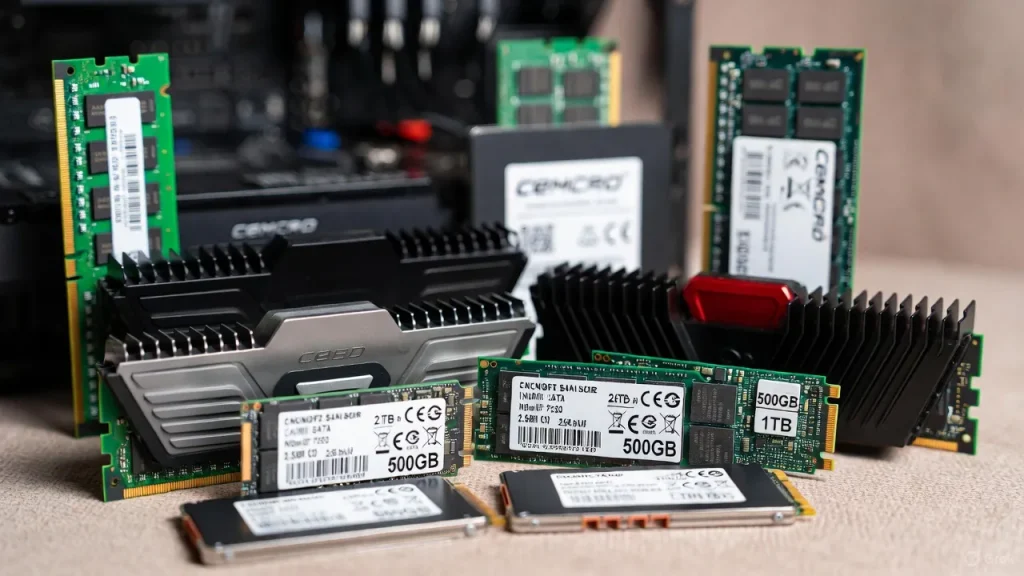
Malaysia is experiencing a tightening supply of essential IT hardware, including memory chips and other computer components, as global pressures on semiconductor supply chains intensify. Rising prices and dwindling inventory have emerged as key challenges for businesses and consumers nationwide.
📉 What’s Driving the Shortage?
The root of Malaysia’s IT hardware supply issues stems largely from a global memory chip shortage driven by surging demand for artificial intelligence (AI) infrastructure and high-performance computing. According to Malay Mail, global memory supplies — especially Dynamic Random Access Memory (DRAM) — are being redirected toward AI data centers and other emerging technologies, leaving less available for general IT hardware markets.
Major memory manufacturers are also reporting unprecedented supply constraints and price hikes, with some segments seeing prices more than double as demand continues to outpace production. Tech analysts warn that these pressures could persist well into the coming year.
Impact on Malaysian Businesses
Malaysian businesses — from local system integrators and SME tech firms to larger enterprises — are feeling the effects of the hardware squeeze firsthand. The shortage has led to:
- Higher procurement costs, especially for laptops, servers, and storage devices essential for digital transformation and remote work setups.
- Delayed technology upgrades, as companies postpone purchasing until inventory stabilizes or prices ease.
- Longer lead times for critical components such as SSDs, memory modules, and network hardware.
These challenges are occurring just as many Malaysian companies accelerate digital initiatives to improve competitiveness, enhance cybersecurity, and adopt cloud computing — increasing pressure on already strained hardware supply chains.
📊 What This Means for You
For Malaysian businesses and consumers alike, the IT hardware shortage means:
- Budgeting for higher costs on key tech purchases throughout 2026.
- Planning ahead for procurement to avoid supply disruptions.
- Considering alternate suppliers or refurbished equipment if new hardware remains constrained.
- Staying informed on government initiatives aimed at addressing supply chain resilience and talent gaps.
📌 Conclusion
The shortage of IT hardware in Malaysia reflects broader global supply and demand imbalances in semiconductor and memory markets. While the strategic importance of digital infrastructure continues to grow, companies must adapt to rising costs, constrained inventory, and prolonged lead times. Collaboration between the private sector, government agencies, and educational bodies will be critical in strengthening Malaysia’s technological capabilities and supply chain resilience going forward.