
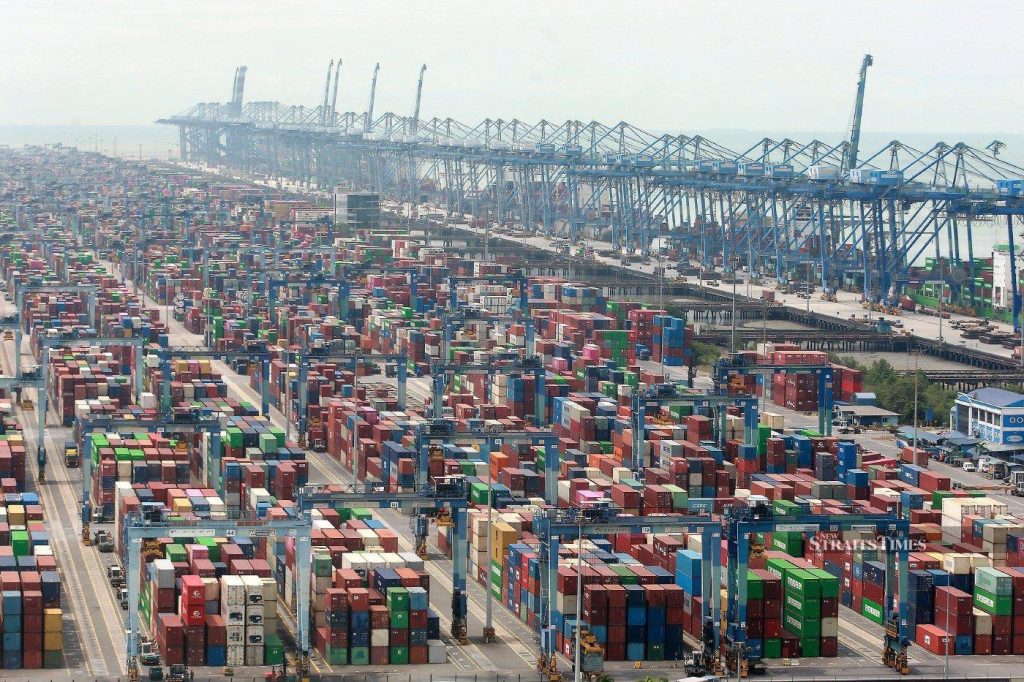
As 2025 comes to a close, Malaysia’s economy can reflect on a year marked by steady trade gains despite ongoing external challenges — a performance that highlights both resilience and adaptability in an unpredictable global environment.
📈 Resilience in Trade for 2025
Throughout 2025, Malaysia’s trade sector delivered moderate and sustained growth, even as global economic uncertainty and shifting trade policies weighed on markets worldwide. Exports and imports continued to expand, supporting economic activity and helping maintain a positive trade balance for most of the year.
Government and industry data showed that trade values — including manufacturing and key export sectors such as electronics, machinery, and palm oil products — held firm despite global volatility, indicating a broad-based drive in external demand.
🌏 Navigating Global Uncertainty
Many global factors challenged trade sentiment in 2025:
- Ongoing trade tensions and tariff uncertainties influenced export dynamics.
- Pressure from shifting global supply chains and slowing regional demand tested the robustness of export performance.
- Despite these pressures, Malaysia’s diversified trading partnerships — across ASEAN, China, the EU, and the United States — helped cushion external shocks.
Economists and international bodies also pointed out that while risks remain, prudent macroeconomic management and targeted policy responses helped Malaysia navigate these uncertainties with relative stability.
📊 Trade Performance Highlights
Across much of the year, trade figures reflected the sector’s resolve:
✔ Exports recorded growth, driven by sustained demand for electronics and manufactured goods.
✔ Imports also rose, indicating continued business investment and consumption activity.
✔ Malaysia maintained a trade surplus, with values supported by diversified external markets and strong domestic production.
While certain months such as November saw slower export growth compared to imports, the overall performance remained consistent with a year of steady gains rather than dramatic swings.
🤝 Policy and Market Factors at Play
Part of Malaysia’s steady performance came from effective use of international agreements and strategic trade policies. For example, new or enhanced Free Trade Agreements (FTAs), such as the Malaysia-UAE Comprehensive Economic Partnership Agreement, helped exporters access new markets and diversify demand sources.
At the same time, domestic measures — including efforts to strengthen supply chain resilience and encourage export competitiveness — contributed to ongoing trade momentum.
🔮 Looking Ahead to 2026
As Malaysia moves into 2026, the lessons from 2025 are clear:
- Diversification matters — across products and export destinations.
- Adaptability in policy and industry is key to weathering global shocks.
- Stability in fundamentals, from exchange rates to investment flows, helps underpin confidence in external trade.
Economists and policymakers remain cautiously optimistic that these elements will support sustained growth next year, even as uncertainties persist in the global economy.
📌 Final Thoughts: A Year of Progress Amid Challenges
In a year shaped by trade policy shifts, tariff pressures, and global market fluctuations, Malaysia’s external trade performance in 2025 stands out not for dramatic gains, but for steady progress and resilience. As businesses and investors close their books on the year, this outcome reflects a broader story of adaptability — a foundation for hope as the nation enters 2026.